Who Owns Texas Roadhouse? (2026 Guide to Ownership, Stock, Franchises & Leadership)
If you’ve ever asked “who owns Texas Roadhouse?”, the short answer is this
Texas Roadhouse is a publicly traded company (NASDAQ TXRH) owned by shareholders, including institutional investors, individual investors, and company insiders.
It was founded in 1993 by Kent Taylor, and today operates as an independent public company headquartered in Louisville.
But ownership goes much deeper than that.
In this comprehensive guide, you’ll learn
- The founder story and how Texas Roadhouse began
- How the company transitioned to public ownership
- Who owns the largest shares today
- How franchise ownership works
- Corporate leadership structure
- Investment details (NASDAQ: TXRH)
- Employee ownership and company culture
- Growth and expansion strategy
- FAQs for investors, franchisees, and customers
Whether you’re a potential investor, franchise operator, or simply curious about the company behind your favorite steakhouse, this article covers everything you need to know.
Quick Answer Who Owns Texas Roadhouse?
Texas Roadhouse is owned by public shareholders because it is a publicly traded company on the NASDAQ under the ticker symbol TXRH.
Ownership includes
- Institutional investors (mutual funds, asset managers)
- Individual retail investors
- Company executives and insiders
- Employees through stock purchase programs
The company was founded by Kent Taylor in 1993, but today ownership is distributed among thousands of shareholders.
The Founder Kent Taylor and the Birth of Texas Roadhouse
To truly understand who owns Texas Roadhouse today, you must start with its founder.
Kent Taylor founded Texas Roadhouse in 1993 with a bold mission
Serve hand cut steaks, made from scratch sides, and fresh baked bread at affordable prices all in a fun, energetic environment.
The first restaurant opened in Clarksville, Indiana. Taylor faced rejection from multiple banks before securing funding. His persistence, operational focus, and deep understanding of restaurant economics laid the foundation for the company’s long term success.
Taylor’s Philosophy
Kent Taylor built the company on three pillars
- Legendary Food
- Legendary Service
- Legendary Culture
He believed employees should think like owners. That mindset continues to shape Texas Roadhouse’s culture today.
When Did Texas Roadhouse Become Public?
Texas Roadhouse went public in 2004.
By listing on NASDAQ under ticker TXRH, the company
- Raised capital for expansion
- Increased national visibility
- Distributed ownership to public investors
- Strengthened its balance sheet
This move transformed Texas Roadhouse from founder-owned to shareholder owned.
Today, anyone can become a partial owner by purchasing TXRH stock.
Current Ownership Structure
Because Texas Roadhouse is public, it does not have a single owner.
Ownership is divided into several categories
1. Institutional Investors
Large investment firms hold significant portions of TXRH shares. These include
- Mutual funds
- Pension funds
- Hedge funds
- Asset management firms
Institutional ownership typically represents a substantial percentage of outstanding shares.
2. Individual Investors
Retail investors buy TXRH stock through brokerage accounts. These shareholders collectively own a meaningful portion of the company.
3. Insider Ownership
Executives and board members hold company shares, aligning leadership with shareholder interests.
4. Employee Stock Programs
Texas Roadhouse offers stock purchase plans, reinforcing its ownership culture.
Who Is the CEO of Texas Roadhouse?
Following Kent Taylor’s leadership era, the company transitioned to professional executive management.
Texas Roadhouse is currently led by a CEO and executive team responsible for
- Corporate strategy
- Financial performance
- Franchise development
- Operational oversight
The leadership team reports to a board of directors, ensuring corporate governance standards required of public companies.
For investors, this structure provides transparency and regulatory accountability.
Is Texas Roadhouse a Franchise?
Texas Roadhouse operates a hybrid ownership model
- Company owned restaurants
- Franchised locations
This balanced model supports both quality control and rapid expansion.
How Texas Roadhouse Franchises Work
Many people searching “who owns Texas Roadhouse” are actually interested in becoming owners themselves.
Here’s how franchise ownership works
Financial Requirements
Franchisees must meet strict financial criteria, including
- Significant net worth
- Liquid capital requirements
- Restaurant experience preferred
Initial Investment
Opening a Texas Roadhouse typically requires multi million dollar investment due to
- Land acquisition
- Construction
- Equipment
- Staffing
- Inventory
Corporate Support
Franchisees receive
- Operational training
- Brand marketing support
- Supplier relationships
- Site selection assistance
- Ongoing operational guidance
Texas Roadhouse is selective in approving franchisees to protect brand consistency.
Corporate Headquarters and Structure
Texas Roadhouse Inc. is headquartered in
Louisville
From there, corporate leadership oversees
- Operations
- Finance
- Marketing
- Franchise development
- Supply chain management
The company maintains centralized quality control systems while empowering local operators.
Texas Roadhouse Stock (NASDAQ TXRH)
Investors researching “who owns Texas Roadhouse” often want stock details.
Key Information
- Ticker TXRH
- Exchange NASDAQ
- Industry Casual dining / Restaurant
- Structure Public corporation
TXRH has historically been viewed as a strong performer in the casual dining sector, often praised for
- Consistent same store sales growth
- Operational discipline
- Strong margins
- Conservative debt management
Investors should always review
- Quarterly earnings reports
- SEC filings (10 K, 10 Q)
- Analyst ratings
- Dividend history
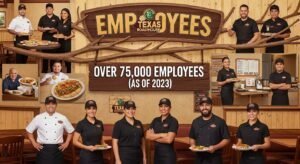
Employee Ownership & Culture Model
One of Texas Roadhouse’s defining characteristics is its ownership culture.
Kent Taylor strongly believed
“Take care of your people, and they’ll take care of your guests.”
Employee Benefits Include
- Competitive wages
- Health benefits
- Bonus structures
- Stock purchase opportunities
- Career advancement pathways
Many managing partners operate their restaurants with performance based incentives, effectively functioning like business owners.
This employee ownership mentality drives
- Lower turnover
- Higher morale
- Stronger customer service
Expansion Strategy How Ownership Supports Growth
Texas Roadhouse continues aggressive expansion through:
1. Domestic Growth
The company regularly opens new U.S. locations in high-growth suburban markets.
2. International Expansion
Texas Roadhouse has expanded into global markets through partnerships and franchise agreements.
3. Brand Diversification
Texas Roadhouse Inc. also operates additional restaurant concepts, increasing revenue diversification.
4. Real Estate Strategy
The company carefully selects high traffic, high visibility locations.
Public ownership provides the capital flexibility needed to execute long term expansion.
Financial Strength and Shareholder Returns
As a public company, Texas Roadhouse reports earnings quarterly.
Shareholder returns may include
- Stock appreciation
- Dividends (when declared)
- Share buybacks
The company has historically demonstrated resilience during economic downturns compared to many competitors in the casual dining sector.
Competitive Position in Casual Dining
Texas Roadhouse competes with
- Outback Steakhouse
- LongHorn Steakhouse
- Olive Garden
- Chili’s Grill & Bar
Compared to competitors, Texas Roadhouse is often recognized for
- Stronger traffic performance
- Better employee retention
- Higher average guest satisfaction
- Consistent brand identity
Risks and Challenges
No company is without risk.
Texas Roadhouse faces
- Rising labor costs
- Beef and commodity price volatility
- Economic slowdowns
- Consumer preference shifts
- Competitive pricing pressure
However, strong operational discipline and brand loyalty help mitigate these risks.
Why Ownership Structure Matters
Understanding who owns Texas Roadhouse helps different audiences
Investors
Understand governance, growth potential, and stock performance.
Franchisees
Understand support systems and brand control.
Customers
Understand company values and ethical standards.
Public ownership ensures transparency and regulatory oversight through SEC compliance.
Internal Linking Opportunities (For SEO Strategy)
You can internally link this article to
- Texas Roadhouse franchise guide
- Texas Roadhouse stock analysis
- Texas Roadhouse history timeline
- Texas Roadhouse employee benefits breakdown
- Texas Roadhouse expansion plans
This strengthens topical authority.
Frequently Asked Questions (Optimized for Featured Snippets)
1. Who currently owns Texas Roadhouse?
Texas Roadhouse is publicly owned by shareholders because it trades on NASDAQ under ticker TXRH. Ownership includes institutional investors, individuals, insiders, and employees.
2. Did Kent Taylor still own Texas Roadhouse?
Kent Taylor founded the company in 1993. After the IPO in 2004, ownership became public. While he held shares during his leadership, the company is not privately owned today.
3. Is Texas Roadhouse a franchise or corporation?
It is both. Texas Roadhouse Inc. is a public corporation that operates both company owned and franchised restaurants.
4. Can I buy Texas Roadhouse stock?
Yes. You can purchase shares of TXRH through any brokerage account that offers NASDAQ listed securities.
5. How much does it cost to open a Texas Roadhouse franchise?
Opening a location requires several million dollars in total investment, including construction, land, staffing, and operating capital. The company has strict financial requirements for franchisees.
6. Where is Texas Roadhouse headquartered?
Texas Roadhouse is headquartered in Louisville.
7. Does Texas Roadhouse have employee ownership programs?
Yes. The company offers employee stock purchase plans and performance based compensation that aligns employees with shareholder success.
8. Is Texas Roadhouse profitable?
Historically, Texas Roadhouse has reported strong financial performance compared to many competitors in casual dining. Investors should review current SEC filings for updated data.
9. What is Texas Roadhouse’s stock symbol?
The stock trades under the ticker symbol TXRH on NASDAQ.
10. How many Texas Roadhouse locations are there?
The company operates hundreds of restaurants across the United States and internationally, with new locations opening regularly.
Final Verdict Who Owns Texas Roadhouse?
Texas Roadhouse is not owned by a single person.
It is a publicly traded corporation owned collectively by shareholders.
Founded in 1993 by Kent Taylor, the company grew from a single steakhouse into one of America’s most successful casual dining chains.
Today, ownership includes
- Institutional investors
- Retail investors
- Corporate insiders
- Employees
Public ownership has allowed Texas Roadhouse to expand nationally and internationally while maintaining strong company culture and operational excellence.
For investors, it represents a publicly traded growth company.
For franchisees, it represents a structured opportunity backed by brand power.
For customers, it remains a steakhouse built on legendary food and service.
And that’s the complete answer to who owns Texas Roadhouse.